

Uzeyir Hajibeyli
Afrasiyab Badalbeyli. Master
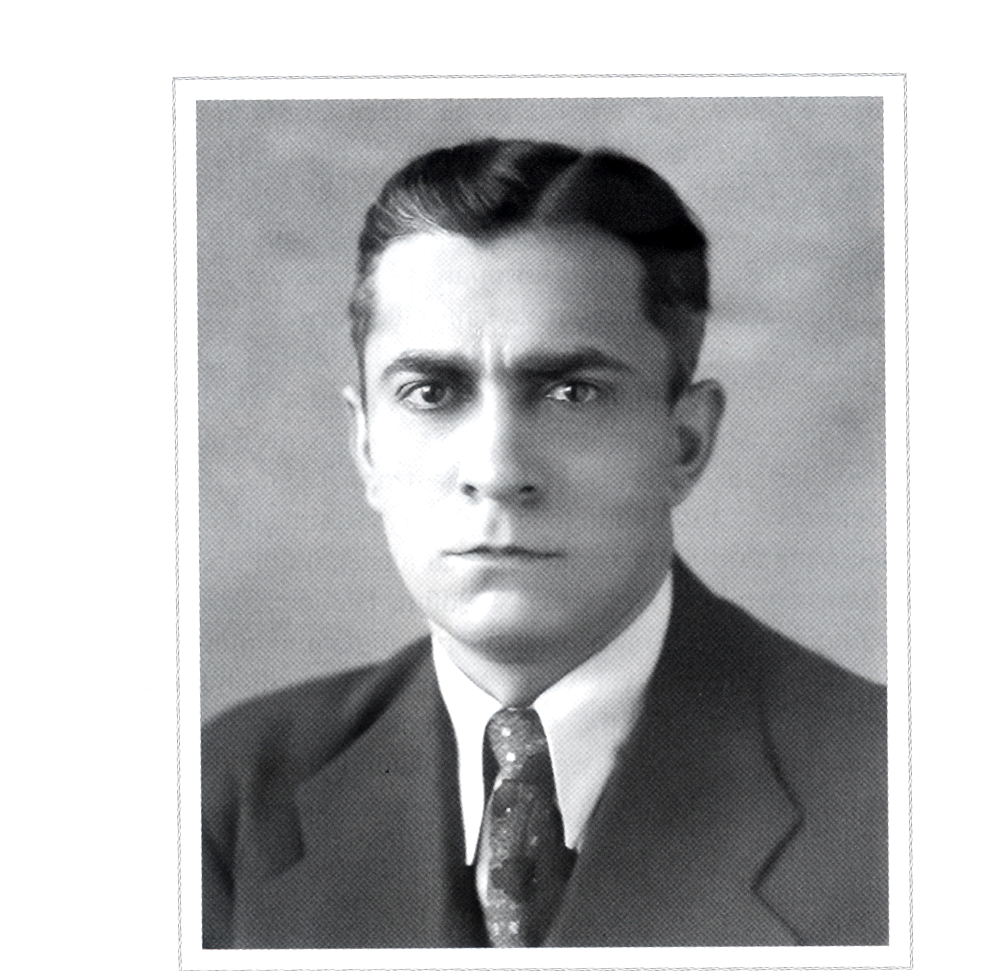
Whenever I think of being a contemporary of the classic of Azerbaijani music, Uzeyir Hajibeyov, whom I met and talked with, like many of my peers, I feel strange. After all, when we say "classic of Azerbaijani music," the image of Safiaddin Urmavi or Abdulgadir Maraghai, dressed in a labbada and turban, usually comes to mind. Their appearance evokes the image of Nizami or Fuzuli, whose monuments we are familiar with. They embody something extraordinary: inaccessible, majestic individuals. No, in this regard, Uzeyir was "classic" in a completely different way.
In an article titled "The Place of 'Leyli and Majnun' in the History of Azerbaijani Music," which I published in the News of the Academy of Sciences of the Azerbaijan SSR during Uzeyir Hajibeyov’s lifetime in 1945, I noted that he had the rare honor of being recognized as a prominent classical figure of his nation while still alive. It seems that every nation produces such geniuses at certain points in its history, similar to Maxim Gorky, Rabindranath Tagore, and Jean Sibelius.
In life, Uzeyir Bey was very simple, cheerful, and always had a smile. He was an intriguing conversationalist with sharp observational skills, standing out for his clarity in thoughts and actions.
At the "Blue Light" event organized by School No. 190 to celebrate the 80th anniversary of Azerbaijan's classical music, I sat next to Uzeyir Bey's wife, Maleyka Khanum. We reminisced about several events from the composer's life. For instance, I recalled how, in 1925, I had been a guest at the resort in Tsemi, Georgia. After lunch, the family gathered around the table to solve new problems in harmony that Hajibeyov had prepared the day before, as Uzeyir Bey was intensely working on creating a textbook on harmony at that time.
Near the garden of the Hajibeyovs, Muslum Magomayev was also relaxing with his family. The brothers-in-law would sit every day under the shade of the beloved pine tree of Uzeyir Bey, engaging in discussions about the development of Azerbaijani music and the art of opera. These conversations seemed to be a continuation of the debates that were taking place in music circles and the pages of Baku's press at that time. Indeed, these two remarkable individuals never forgot their thoughts on their native music, its current state, and its future; these ideas were the foundation of their lives, forever occupying their hearts.
When I remember our beloved teacher's extraordinary kindness and ability to help unnoticed and just in time, I think: such things are unforgettable!
His speech in April 1940, just days before the first performance (following the public viewing of my ballet "Maiden Tower"), is etched in my memory. After declaring that national identity is inseparable from realistic art, he also remarked that it specifically referred to the finest examples of Russian classical ballet music that inspired all my efforts. I created traditional ballet forms in Azerbaijani music, such as waltz, adagio, and solo variations. Regarding the staging of the ballet "Maiden Tower," Uzeyir Hajibeyov wrote in the newspaper "Pravda": "The skillful combination of classical ballet music with authentic folk dances determined the content and style of the performance as a whole."
Uzeyir Hajibeyov laid the foundation for many genres of modern Azerbaijani music. His immortal creativity, especially his "Koroghlu," will continue to attract the attention of generations of composers. Uzeyir Bey's experience and school are a wonderful example of young authors skillfully combining innovation with tradition, and democracy with craftsmanship.