

Uzeyir Hajibeyli
Quotes
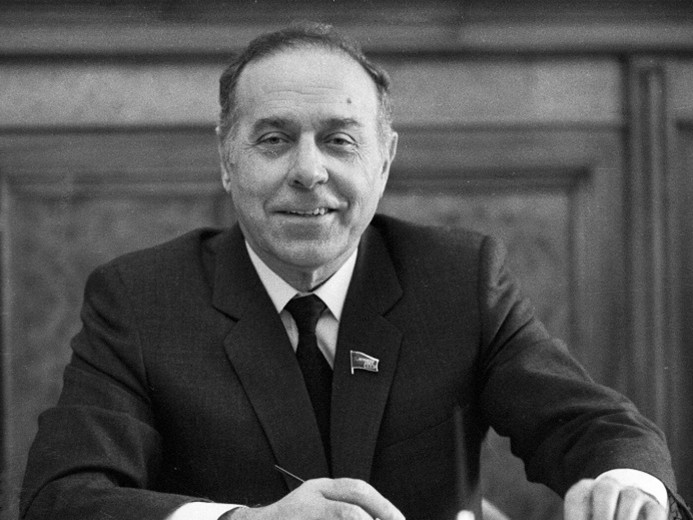
With his extraordinary innate talent, profound commitment, comprehensive education, scholarly contributions, patriotism, and active involvement in public and political life, Uzeyir Hajibeyov became one of our nation’s greatest personalities, standing prominently among global cultural figures and representing Azerbaijan internationally.
It was Uzeyir Hajibeyov who systematized, shaped, and introduced Azerbaijan’s centuries-old musical heritage to the world. Until the final days of his life, he devoted himself to developing Azerbaijani culture and music and promoting society's education and enlightenment. Hajibeyov was a writer, publicist, scholar, educator, philosopher, and public-political figure who actively participated in governmental affairs.
Heydar Aliyev,
National Leader of the Azerbaijani People
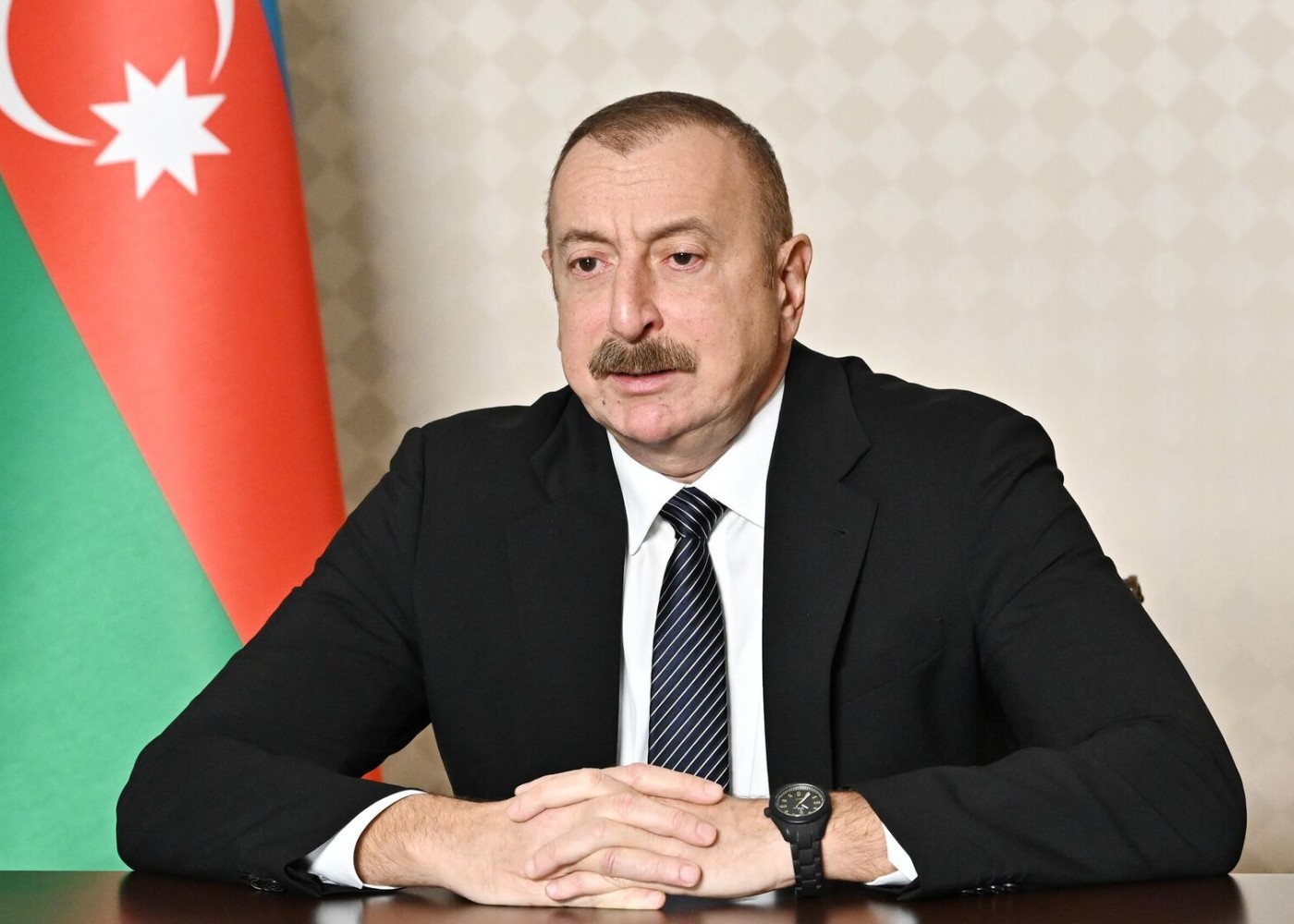
Uzeyir Hajibeyov, with his multifaceted creativity, is among the influential figures who left an indelible mark on the history of Azerbaijani culture. The rich legacy of this dedicated intellectual, who devoted his life to the cultural progress of society, reflects the literary and cultural renaissance of the Azerbaijani people that began to flourish in the early decades of the 20th century. As the founder of the Azerbaijani school of composition, Hajibeyov was an innovative artist who enriched the national musical heritage through unique forms and genres. Deeply synthesizing musical traditions of the East and the West, he created exceptional artistic masterpieces that hold an honored place in the golden treasury of world music, bringing international acclaim to Azerbaijani culture. Through his extraordinary artistic genius, Hajibeyov also made significant contributions to Azerbaijani dramaturgy and, with his passionate journalism, opened new chapters in the history of the national press. His substantial social and political activity, infused with the ideology of Azerbaijanism, represents a true example of patriotism.
Ilham Aliyev,
President of the Republic of Azerbaijan

Uzeyir's legacy is indeed a vast world unto itself. The greatness of this world lies in the fact that, even today, Uzeyir bey continues to guide and educate us as a true pedagogue, teaching us how to grieve and rejoice. He reveals the secrets of mugham dramaturgy and helps us appreciate the profound power of ashiq art.
Mehriban Aliyeva,
First Vice-President of the Republic of Azerbaijan
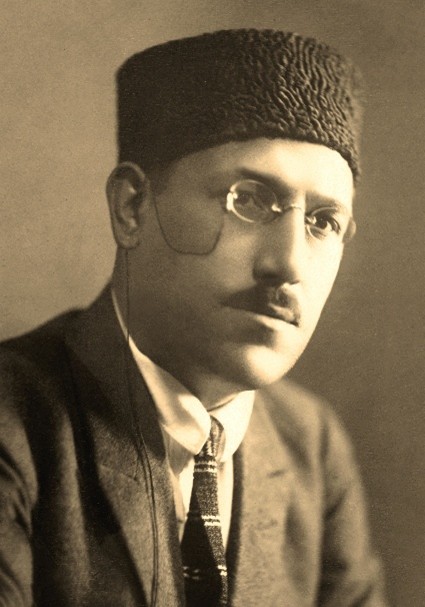
…While working on his operas, Uzeyir Hajibeyov sought to construct arias, duets, and ensembles rooted in Azerbaijani musical folklore. He meticulously studied folk creativity and successfully integrated it into his compositions. In the opera "Koroghlu", Azerbaijan's captivating musical folklore was skillfully developed and harmonized with European musical techniques. Additionally, the introduction of the tar into the orchestra for the first time created a uniquely beautiful sound.
The opera "Koroghlu" holds an exceptionally prominent place in the world of Azerbaijani opera with its revolutionary spirit, artistic innovations, and vibrant folk music.
Huseyn Javid,
writer-dramatist
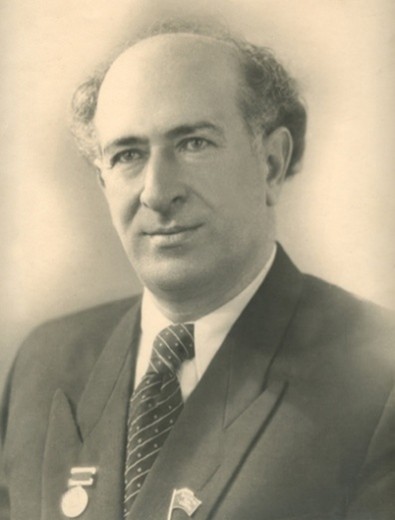
The opera "Koroghlu" captured people's hearts from its very first performance, becoming frequently performed by numerous singers on stages and broadcasts throughout the neighboring republics.
I have portrayed the role of the folk hero Koroghlu on the stage of our theater more than 400 times. Each time I perform this role, I find myself enchanted by Uzeyir bey’s artistry. I've listened repeatedly to this opera’s overture, which inspires enthusiasm from the very first notes. Could there be a music lover unmoved by this powerful music? The overture resonates as a character itself, expressing and interpreting the entire narrative of the opera.
The strength of Uzeyir Hajibeyov’s artistry lies in his deep understanding and appreciation of all the subtleties of Azerbaijani folk music and mugham. He felt its beauty profoundly, studied it thoroughly, and tirelessly searched for innovative ways to create new works that would captivate audiences.
Bulbul,
Azerbaijani Opera Singer, People's Artist
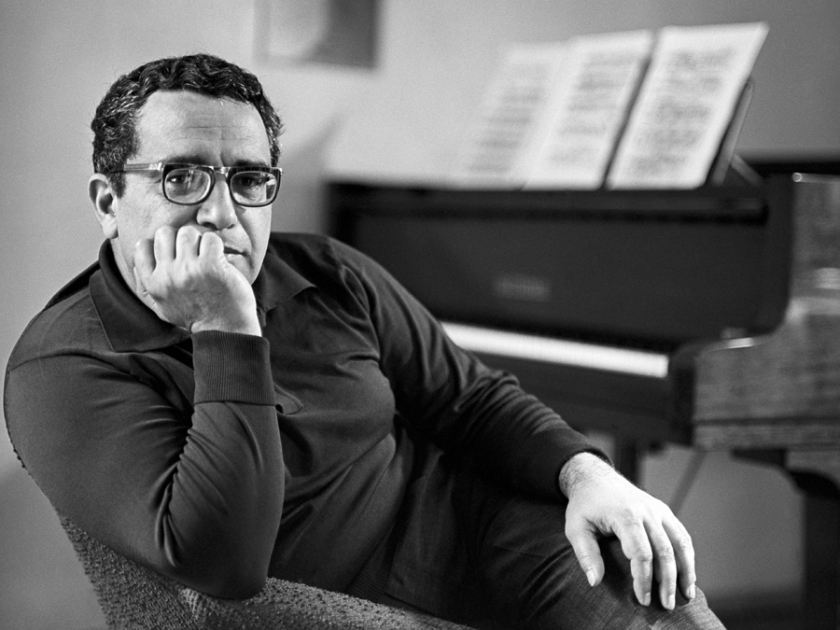
The music of Uzeyir Hajibeyov, the founder of the Azerbaijani school of composition and renowned Soviet composer, lives in the hearts of our people and enriches their spiritual life. Time not only proves incapable of weakening the foundations established by this extraordinary talent, but continually witnesses its growing strength. The vibrant colors of Hajibeyov's music become increasingly vivid, enabling us to discover new beauties and subtleties within his creative legacy.
A profound analysis of Hajibeyov's music, especially the opera "Koroghlu", demonstrates that the composer developed a complex and daring modal system to which he strictly adhered. Although Hajibeyov's harmonic language does not claim groundbreaking innovations, his music is undoubtedly modern in its entirety, and the great composer himself emerges as a bold innovator in contemporary musical thinking.
Gara Garayev,
Composer, People's Artist
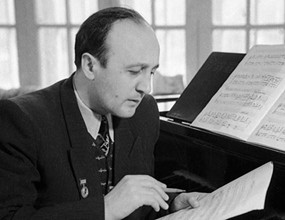
"Uzeyir Hajibeyov’s creative legacy is a great school. Many will still pass through this school, and many will continue to learn from it."
"The true value of Uzeyir Hajibeyov’s artistic heritage lies in how relevant and essential it remains for our time."
"Koroghlu" is an immortal work that embodies the achievements of world musical culture and meets the highest artistic standards. It is the pinnacle of Azerbaijani opera art."
"The artistic journey from "Leyli and Majnun" to "Koroghlu" is a rich path marked by intense creative exploration and invaluable artistic discoveries."
"To express what Uzeyir Hajibeyov’s art has given to Azerbaijani composers, I can only say this: We have all emerged from the school of Uzeyir."
Fikrat Amirov,
Composer, People’s Artist
The name of Uzeyir Hajibeyov is held in profound respect not only in our country but throughout the entire Eastern world. His creative work has significantly influenced—and continues to influence—the musical culture of Eastern peoples as well as our own.
As the author of the famous opera "Koroghlu", the widely beloved musical comedy "Arshin Mal Alan", and numerous other outstanding compositions across various genres, Uzeyir Hajibeyov is recognized among the world's most celebrated and respected composers.
I vividly remember how deeply moved both musicians and non-musicians were by the performance of Koroghlu during Azerbaijan's first Decade of Art in Moscow in 1938. We encountered a major artistic event—an exquisite masterpiece imbued with Azerbaijani folk music, reflecting Uzeyir Hajibeyov's immense talent and boundless mastery. I was fortunate enough to meet and interact with Hajibeyov personally. He was an exceptionally charismatic individual—principled, sincere, and filled with profound love. He provided tremendous support to young composers.
It's challenging to fully express in ordinary words his enormous contributions to the development of Azerbaijani musical culture. Today, it is deeply gratifying to witness the fruits of the legacy left by Uzeyir Hajibeyov, the father of professional Azerbaijani music.
His memory is truly sacred to us.
Tikhon Nikolayevich Khrennikov,
Russian composer, People's Artist of the USSR
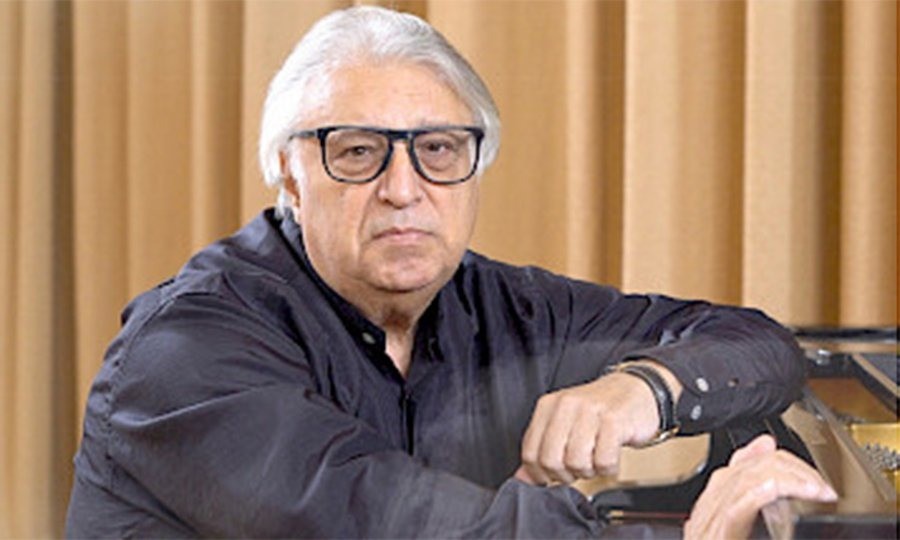
The creative legacy of Uzeyir Hajibeyov, the great Azerbaijani composer and musicologist, is a national treasure of our people, forming the foundation of twentieth-century Azerbaijani professional musical culture, compositional art, and musicology. In our modern era, Hajibeyov's artistic heritage holds significant importance in preserving and promoting our national and spiritual values throughout the world. We regard it as our moral duty to uphold and continue the traditions established by Uzeyir bey.
Farhad Badalbeyli,
People's Artist of the USSR, Professor
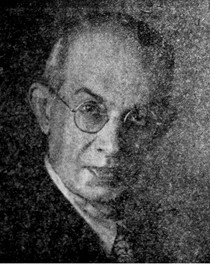
If there is one important thing for us Iranians that I will continue to mention after returning to Iran, it is the extraordinary musical talent of the Azerbaijani people. Before coming to Baku, I had already heard of the Azerbaijani composer Uzeyir Hajibeyov. His works, such as "Asli and Kerem", "Arshin Mal Alan", "Mashadi Ibad", and others, have been translated into Persian and performed in Iran. His musical pieces were memorized and frequently sung by Iranian youth. Upon arriving in Baku, I confirmed once again the immense respect and appreciation for music here, which undoubtedly fosters great talent. I can confidently say that, from a musical standpoint, Azerbaijan is truly the Italy of the East.
Said Nafisi,
Iranian literary scholar, writer, historian, and public figure
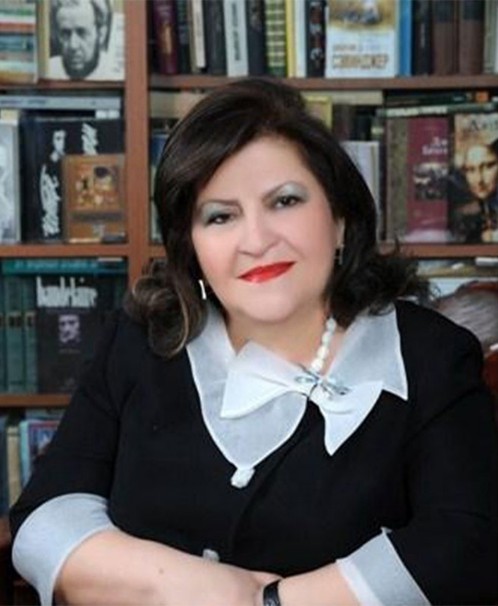
The art of Uzeyir Hajibeyov is among the rarest masterpieces that the Azerbaijani genius has gifted to the treasury of world culture.
Zemfira Safarova,
Professor, Full Member of ANAS
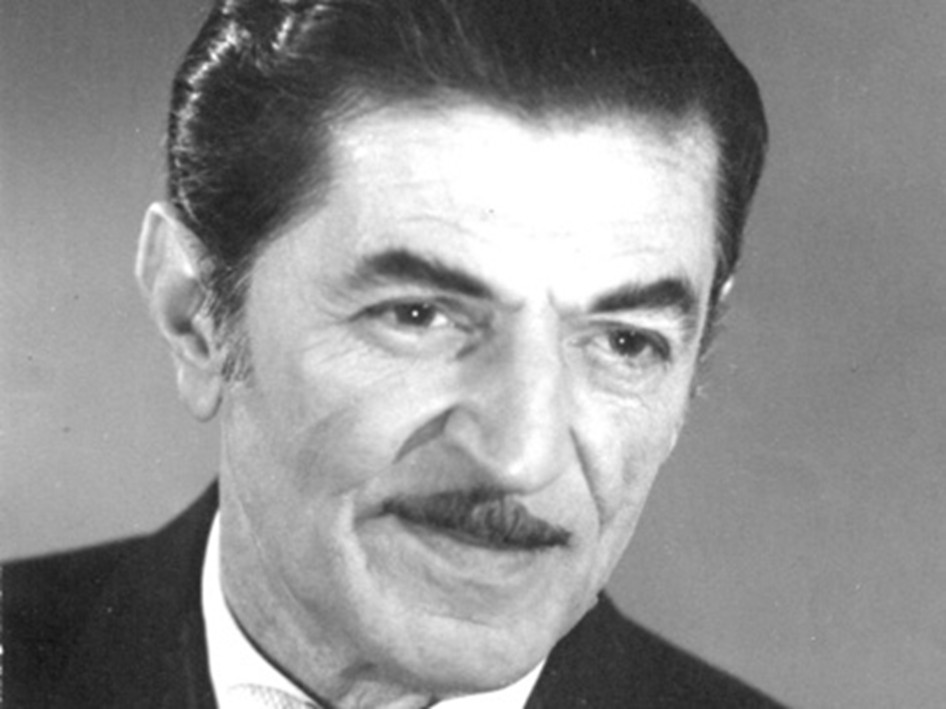
The opera "Leyli and Majnun" is significant and remarkable in several ways. Its carefully constructed musical architectonics—the masterful improvisational skills of soloists, the dramatic episodes written for chorus and orchestra, and the seamless unity of words and music—establishes a natural affinity between "Leyli and Majnun" and the earliest monuments of operatic music from the distant past, works created three centuries earlier by representatives of the Florentine and Venetian schools, such as Peri, Caccini, and Monteverdi, considered the world's first examples of opera.
We proudly note that the level of artistic development reached by Azerbaijani opera in the thirty years from Hajibeyov’s "Leyli and Majnun" to his "Koroghlu" took nearly two centuries for operatic art to achieve in some Western European countries.
Niyazi,
Composer, People's Artist
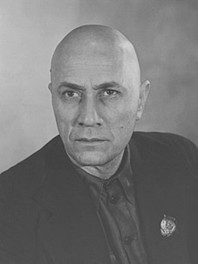
The activities of Uzeyir Hajibeyov are so multifaceted that even the most experienced journalists find it challenging to fully encompass his deep, principled, comprehensive, and productive creativity.
His greatness have far exceeded the boundaries of national frameworks. It is essential to classify his works such as “Arshin Mal Alan”, “Leyli and Majnun”, and “Koroglu” as classic masterpieces, as these works are considered the wealth and pride of the entire Soviet music culture.
Uzeyir is not only the pride and glory of the Azerbaijani people, but of all Soviet peoples. The Georgian people see in him a faithful friend and brother. In joyful times and difficult years alike, we always hear the uplifting, powerful, soul-stirring and inspiring brotherly voice of our beloved Uzeyir.
A sensitive comrade, sincere, attentive, and caring person... These qualities of Uzeyir’s character make his name dear and cherished to everyone who had the chance to meet him, even just once.
Akaki Khorava,
Georgian composer
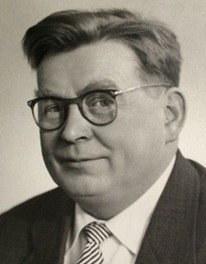
The bright development prospects of Azerbaijani music art are evident. However, courage, good skills, and productive work are necessary. It is important to feel the high spirituality of the Soviet people, to be the voice of their hopes and desires, and to reflect their optimism and emotional state through music, as confirmed by the words of Uzeyir Hajibeyov. Azerbaijani music, with the contribution of strong composers, was able to reflect the heroic spirit of the Soviet people and create works worthy of our beautiful era.
Uzeyir Hajibeyov had foreseen this.
Vasily Pavlovich Solovyov-Sedoy,
composer and People's Artist of the USSR
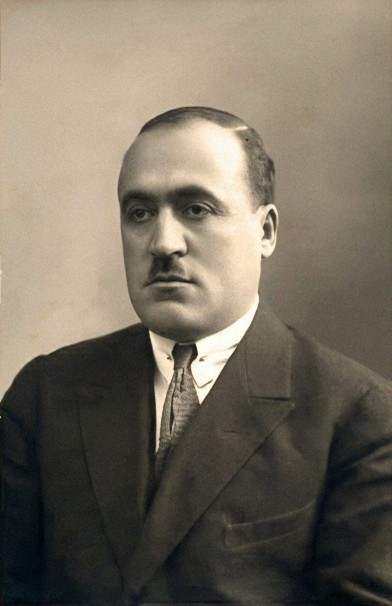
My acquaintance with Uzeyir bey began in 1929. At that time, the development paths of Azerbaijani music were widely discussed. Uzeyir bey was already disturbed by this issue and was thinking about the future of our music.
One of the main purposes of Uzeyir’s opera “Koroglu” was to unleash and develop Azerbaijani folk music from narrow frameworks. The composer has been very successful in fulfilling this task in the opera “Koroglu”.
Uzeyir bey, who loved simplicity in his personal life, also admired simplicity in language. He would say: “To separate language from the people, and the people from the language is wrong.” Therefore, he always emphasized the importance of simplicity in librettos.
The content and structure of the opera “Koroglu” can be seen as a reflection of Uzeyir’s political and social essence.
Mammad Said Ordubadi,
writer
The acquaintance with this remarkable individual in the 1930s brought me great pleasure. Uzeyir Hajibeyov, possessed of extraordinary intellect and a subtle sense of humor, immediately captured my sympathy with his welcoming words and distinctive intonation; a feeling that only grew with each subsequent meeting and passing year. We became sincere friends. When he visited Moscow, we would spend hours at the piano, playing each other newly created pieces, sharing doubts and plans for the future. I also visited him, and our conversations about music would start again, lasting until late at night...
I listened to the opera “Koroglu” several times. During the 1938 decade and later. I saw his claviers, scores, and this work always amazed me, primarily because it was infused with the spirit of folk music...
Yuri Shaporin,
a Soviet and Russian composer, conductor,
and People’s Artist of the USSR
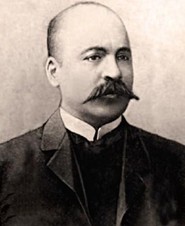
A newspaper published in New York City reports that the operetta “Arshin Mal Alan” has recently begun to be performed in American theaters.
During my six-month journey, I observed that from Ashgabat to Dushanbe, Orenburg, Samara, Tsaritsyn, Astrakhan, Petrovsk, and Vladikavkaz, apart from “Arshin Mal Alan”, there is no other talk on the streets and in bazaars... This is the secret of “Arshin Mal Alan”, that it has gained such fame, and the reason why Armenians, Georgians, Russians, and Americans are all finally appreciative of this piece...
Jalil Mammadguluzadeh,
writer
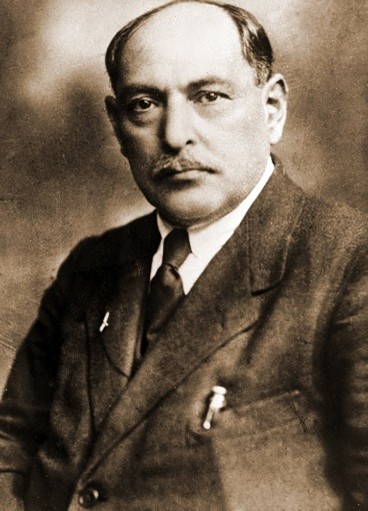
Indeed, among the operettas I have seen, “Arshın Mal Alan” I enjoyed the most. Both in terms of music and meaning...
Mr. Uzeyir will create even more wonderful operas due to the knowledge he has gained. In any case, compared to other works, Uzeyir’s works currently pave the way. In this regard, we sincerely wish for Uzeyir to progress even further.
Nariman Narimanov,
state official, writer, physician
Our entire nation takes pride in the name of Uzeyir Hajibeyov, the most prominent and progressive figure of modern Azerbaijani culture.
Those who sincerely connect their personal destiny with the fate of the nation, who devote their creative and vital energy to the happiness and honor of the people, earn the eternal love and respect of that people. Our great composer Uzeyir Hajibeyov is not only a renowned artist who has earned the respect and love of the Azerbaijani people, but also of all Soviet peoples.
The language of Uzeyir’s art is clear to all nations. This artist, who skillfully utilizes the rich musical culture of Europe and Russia, is precious and esteemed to all nations.
The famous Russian poet Nekrasov once said: “You may not be a poet, but you must be a citizen”.
Uzeyir became a great artist because he was not only a great citizen, but also a Soviet citizen!
Samad Vurgun,
People’s Poet
Uzeyir bey is an artist whose name defies praise; he is an individual who stands above any degree of commendation. The belonging of such individuals to any nation is an honor and source of pride for that nation. When I write about the high universal value, historical significance, and artistic uniqueness of Uzeyir’s music and dramaturgy, it is merely an inevitable expression of a sense of pride and spiritual greatness.
The music of Uzeyir is as close, dear, and profound to us as the words “Azerbaijan”, “Motherland”, and “Life”. In each note of his works – whether large or small – we hear the voice of our hearts, our souls, and listen to the melody of our hopes and beliefs. Uzeyir bey, as an artist, has provided the greatest examples of true simplicity, not stooping to achieve it, but rising above, spreading wings to broad horizons.
His works are his children. Let us treat them with great respect, reverence and responsibility!
Rasul Rza,
People’s Poet
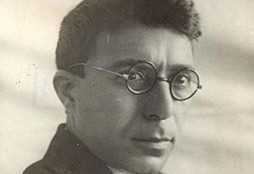
Uzeyir Hajibeyli’s works serve as a reflection of the environment in which he lived, the people among whom he interacted, and the society of which he was a part.
If today in Paris a Frenchman, having read “Arshin Mal Alan” or “The Dead”, were to say: “This is from Azerbaijani life. There is such a way of living, such elders, such young men, such girls there”, and he would be absolutely correct.
Jafar Jabbarli,
playwright, poet
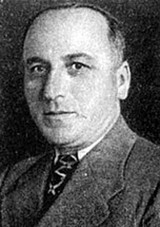
Uzeyir Hajibeyov is the most beloved and renowned composer among the peoples of the Caucasus. Even the most remote regions of Soviet Georgia are familiar with the works of Uzeyir Hajibeyov. His life and art hold great significance in strengthening fraternal ties between the peoples of the Caucasus, Soviet Azerbaijan, and Georgia.
Akakiy Alekseevich Vasadze,
a Georgian actor and People’s Artist of the USSR
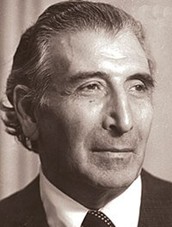
Uzeyir devoted his life to the people through art. Only a true artist like him could create an immortal masterpiece like “Koroglu” – a masterpiece of Azerbaijani opera.
The opera art of Uzeyir Hajibeyov, his opera dramaturgy, became an event of exceptional cultural and aesthetic significance in the history of our literature and public thought. He was the first to pave the way for this genre in Azerbaijan.
Overall, the publicistic work of the great composer and writer had a progressive character and served the struggle of our people for freedom. And to this day, it has not lost its social and educational value.
Mirza Ibrahimov,
People’s writer
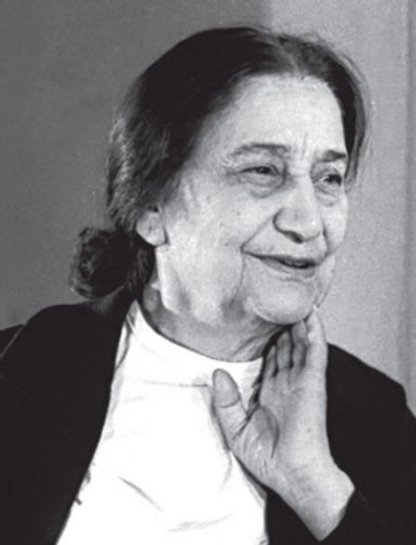
He was a man with great internal culture. This was clearly evident in his appearance, speech, behavior, and attitude towards others. In his attitude towards women, he was also an exceptionally noble man. It is no coincidence that female characters in Uzeyir Hajibeyov’s works are created with such great love. It is enough to remember Gulchohra from “Arshin Mal Alan”. I first stepped on stage precisely in this role. I wholeheartedly fell in love with this Azerbaijani girl, faithful in love, and she became a part of my life.
Uzeyir loved his people, created for them, expressed in his works the thoughts and aspirations of this people. That is why he will forever remain in the hearts of people.
Shovket Mammadova,
opera singer, People’s artist
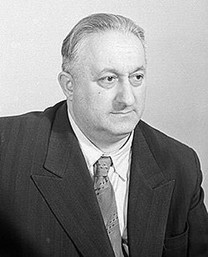
I am reminiscing about the unforgettable memories of my youth. It was 1922, in the city of Gori. In the spacious hallway of a residential building, we set up our "stage." Our region’s youth were performing Uzeyir Hajibeyov's famous operetta, "Arshin Mal Alan." My little sister Zhenya played Gulchohra, while I took on the role of Asgar. It was an incredibly successful endeavor. I intend to share this memory to highlight Uzeyir Hajibeyov's significant impact on many people's lives in our country. Since its inception, "Arshin Mal Alan" has been a beloved classic among the simple folk in the Caucasus and Central Asia. People sang the songs of this piece in their native languages.
Vano Muradeli,
composer, People's Artist of the USSR
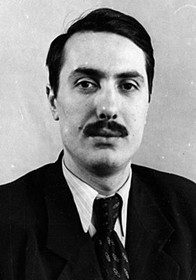
Uzeyir Hajibeyov’s works are cherished not only by the Azerbaijani people but also by all nations... His "Leyli and Majnun" remains as vibrant and fragrant as an everlasting flower. While listening to the musical comedy "Arshin Mal Alan," we are delighted by the folk humor and beautiful music.
Undoubtedly, the pinnacle of Uzeyir Hajibeyov's creativity is the opera "Koroghlu." This opera elevates folk music to great heights. Therefore, "Koroghlu" is a work written in a new spirit and will continue to live on.
Otar Taktakishvili,
Georgian composer, People's Artist of the USSR
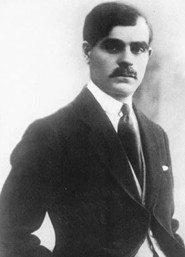
The play "Gaveyi-ahangar" had been staged, and I was performing the role of Farhad... That night, Uzeyir Bey Hajibeyov happened to be at the theater. He enjoyed my rendition of "Hijaz" on stage... One day, while I was going to "Nijat" on Gubernskaya Street, he encountered me and said: "You sang beautifully, I liked it! I’ve started working on the opera "Leyli and Majnun." Would you be interested in playing the role of Majnun?" I replied: "I would love to!..
After this performance, my audience and fellow actors began calling me "Majnun" instead of my name. That name became so dear to me that I would feel delighted whenever anyone addressed me by it...
Huseyngulu Sarabski,
actor, People's Artist of Azerbaijan
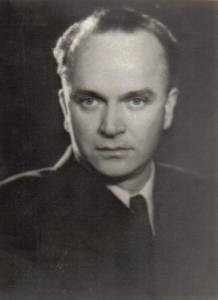
I had a special admiration for the composer Uzeyir Hajibeyov. I recall when I was writing music for one of our theater's performances - "Suram Castle." Uzeyir Hajibeyov, who was already an experienced master then, became deeply interested in the work of his "young Georgian colleague" (as he called me). He watched the performance closely, then had a detailed conversation with me, made insightful remarks, and spoke warmly about its positive aspects. This conversation meant a lot to me. I still remember this conversation and my other meetings with Uzeyir Hajibeyov with great gratitude.
Alexander Machavariani,
Georgian composer, People's Artist of the USSR
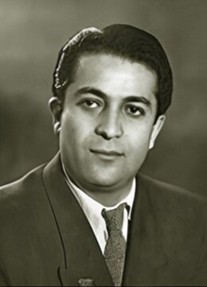
My father used to say, "Son, when I was a child, my father would send me to sell arshin cloth. " It's funny how coincidence works—my father was a real arshin cloth seller when he was young, and I ended up portraying one on screen...
In the role of Asgar, my long-standing career as a singer harmoniously merged with my new acting endeavors, subsequently introducing me as a film artist in the countries where the movie was showcased. For this, I am primarily grateful to the music and dramaturgy of Uzeyir Hajibeyov.
"Asgar's Aria" and "Asgar’s Song" are still part of my repertoire. There isn't a concert where I don't perform them and receive applause. No matter how much I refresh my concert program, they remain irreplaceable, just like Uzeyir himself and his words.
Rashid Behbudov,
singer, People's Artist of the USSR
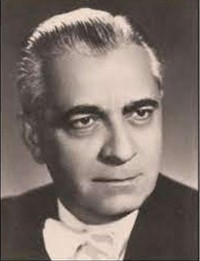
Whenever I, like many of my peers, think I am a contemporary of the classic Azerbaijani music composer Uzeyir Hajibeyov, whom I met and spoke with, I feel very strange. After all, when I say "classic of Azerbaijani music," I usually envision the figure of Safiaddin Urmavi, dressed in a labbada and wearing a turban, or Abdulgadir Maraghi. They are somehow extraordinary, inaccessible, and majestic individuals.... No, in this sense, Uzeyir was a classic on a completely different level. Uzeyir Bey was granted a rare honor - he was recognized as a well-known classic of his people while still alive.
Afrasiyab Badalbeyli,
composer, conductor, librettist, People's Artist
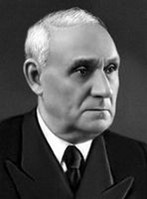
On April 3, 1912, Uzeyir Bey Hajibeyov invited me and several of our artists to his home to announce that Shovkat Khanum Mammadova, an Azerbaijani girl studying at the Milan Conservatory in Italy, had arrived in Baku. He asked us to assist her in returning to Italy to continue her education. We unanimously accepted Uzeyir Hajibeyov's proposal and decided to perform the musical comedy "Husband and Wife" for the benefit of Shovkat Mammadova. A concert portion began on the evening of April 13, after the performance of "Husband and Wife" at the Taghiyev Theater. Shovkat Khanum Mammadova took the stage and sang several pieces. This did not sit well with many attendees; some gentlemen who shouted "nation-nation" began to get up and leave the theater...
When I saw this situation, I quickly went backstage to inform Uzeyir and asked him what we should do. Uzeyir Hajibeyov, with determination, replied, "Let those who want to go leave; we need the ones who remain."
Mirzagha Aliyev,
actor, People's Artist of the USSR
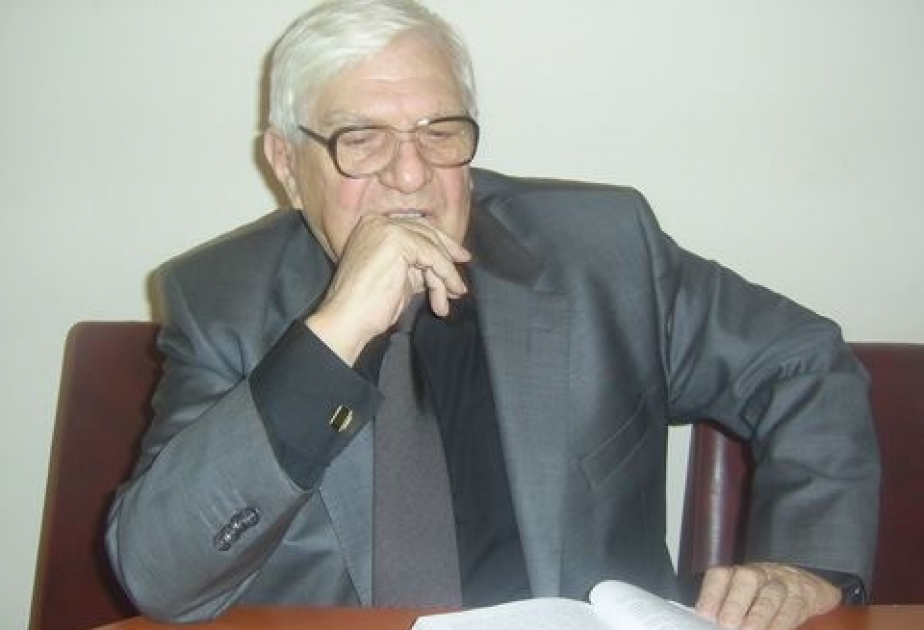
The brilliant composer, writer, publicist, and public figure Uzeyir Hajibeyli made invaluable contributions to the fields of Azerbaijani art and culture and played a significant role in the development of the Azerbaijani literary language during the complex and challenging period of the 20th century.
During the years when the great artist was active, our literary language was utilized in four different ways. The first was predominantly found in the "Fyuzat" journal and the works of Huseyn Javid and Alibey Huseynzadeh; this language was almost indistinguishable from Ottoman Turkish. The second was the language of newspapers like "Taraggi" and "Irshad," which, aside from certain grammatical aspects, echoed the old Azerbaijani language found in the works of Nasimi and Fuzuli. The third was a literary-artistic language that aligned more closely with the new Azerbaijani language, as seen in the works of Abdulla Shaig and Abbas Sahhat. Finally, the fourth type of language was identical to the common spoken language, similar to the language used by the "Molla Nasraddin" writers.
Uzeyir Hajibeyli's language was connected to these various linguistic phenomena, particularly the last three, reflecting the overall linguistic landscape of the era.
Aghamusa Akhundov,
literary critic, linguist, and Turkologist
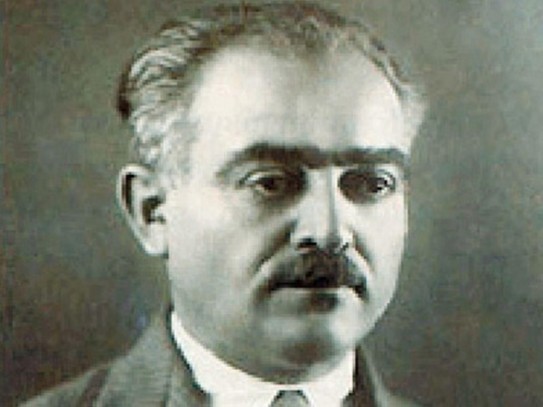
Recently, our musicologist, Uzeyir Bey Hajibeyov, the pride of Azerbaijan, has been organizing our music. He gained fame with the operas and operettas he wrote, introducing himself and his entire nation to the world. "Arshin Mal Alan" and "If Not That One, Then This One," staged today by Tatars and Armenians in Crimea, are both by Uzeyir Bey... Uzeyir Bey's "Arshin Mal Alan" succeeded on American stages. Muslims, Armenians, Georgians, and Russians enjoy our theaters. We can be proud to have created the first national opera in the entire Islamic world. Uzeyir Bey is our first opera composer.
Yusif Vazir Chamanzaminli,
writer
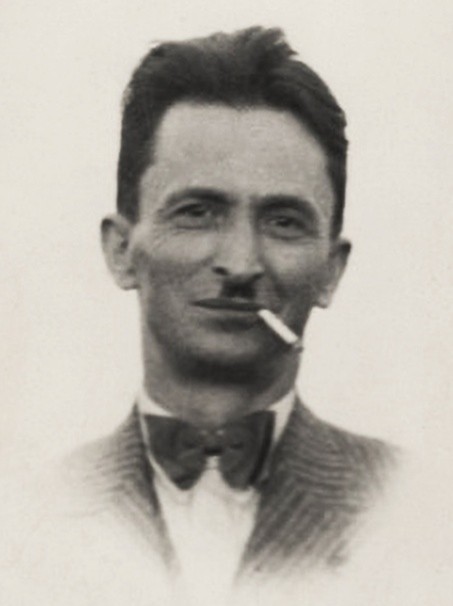
We consider the Azerbaijani theater, which has been a guest in our city for nearly two months, significant for two main reasons... Whether it be ensembles, plays, or performances, the first impression they evoke is that Azerbaijani theater has significantly progressed with great seriousness and importance, surpassing that of Turkey in this regard... Take a look at the operettas "Arshin Mal Alan" or "Mashadi Ibad". Nothing is extraordinary about the topics, yet they have filled the scenes, which we manage with shouts and chaos akin to herding a bunch of animals using tin cans, sticks, and curses, with beautiful songs, thoughtful reflections, and heartfelt jokes. In Azerbaijani comedies, there is a simple yet profound balance that recalls the works of Molière.
Reşat Nuri Güntekin,
Turkish writer and playwright
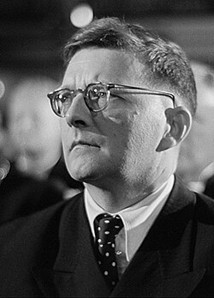
Uzeyir Hajibeyov, the founder of Azerbaijani Soviet music, was a remarkably talented composer and a prominent public figure. He dedicated his entire life to developing Azerbaijani Soviet music culture.
His students and followers—Azerbaijani composers—rightly hold one of the leading positions in Soviet musical creativity. This can be attributed to Uzeyir Hajibeyov’s unparalleled contributions.
He organized music education in Azerbaijan exceptionally well and significantly contributed to the development of symphonic music.
Soviet musicians, music enthusiasts, and the entire Soviet people respectfully commemorate the immortal memory of the great son of the Azerbaijani people, the prominent Soviet composer Uzeyir Hajibeyov.
I recommend that Azerbaijani composers preserve and develop the great traditions of Uzeyir Hajibeyov.
Dmitri Dmitriyevich Shostakovich,
Soviet Russian composer, pianist, and educator
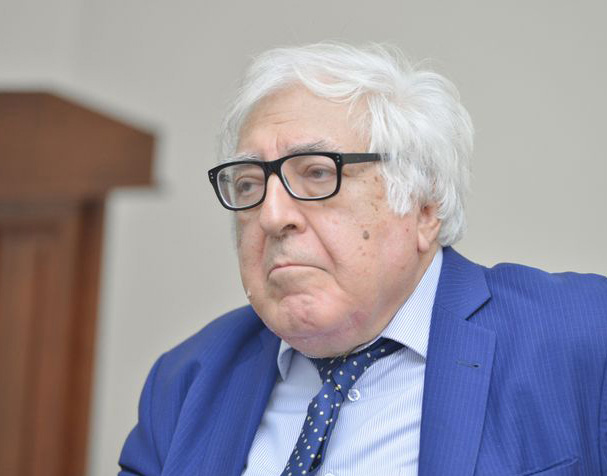
Uzeyir Hajibeyov was the first great creator of Azerbaijani music of the 20th century, as well as a researcher and explorer of this music, an outstanding scientist who deeply understood its foundations and principles, interpreted, generalised and systematised it. Along with numerous scientific articles on musical issues, the most significant fruit of his many years of work on theoretical aspects of Azerbaijani music was a fundamental study entitled “Fundamentals of Azerbaijani Folk Music”.
Anar,
Chairman of the Union of Writers of Azerbaijan, People’s Writer
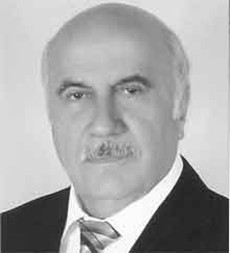
What attracted Uzeyir bey most of all to journalism was the quality of this genre, called promptness. At the beginning of the 20th century, at a time when the acute problems of public life were insurmountable and demanded immediate comprehension, explanation and evaluation, the talented, knowledgeable and concerned with the fate of the people intellectual did not know what peace was. In addition to achieving very serious historical successes in other fields, especially in the field of music, he also continued his publicistic activity, and for many years several of his articles were published almost every week. Suffice it to say that such masterpieces of the great composer as “Leyli and Majnun”, “Arshin mal alan”, “If Not That One, Then This One” were created between 1907 and 1912, i.e. at a time when his publicistic activity was also intensively continuing, and were staged with his participation, valuable advice and assistance. When you think about it, you should once again bow before the sacrifice of Uzeyir bey for the sake of the people.
Bakir Nabiyev,
Azerbaijani literary scholar, critic, Doctor of Philological Sciences, Professor
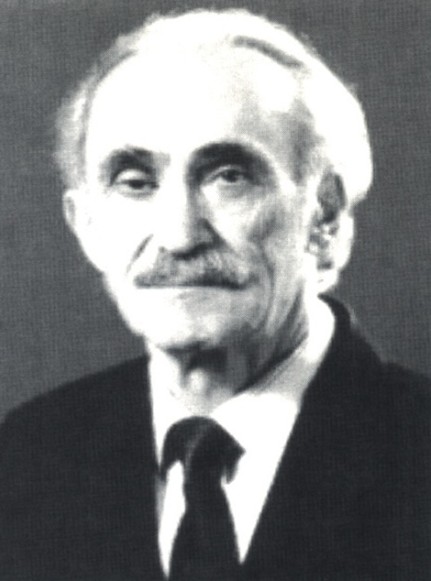
In every respect, Uzeyir bey is a musical figure. In short, Uzeyir bey Hajibeyov was a brilliant composer who opened a new direction in music and created classical oriental music.
Saleh bey Garabaghli,
writer, PhD in physical chemistry
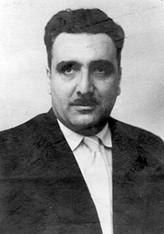
In addition to interpreting the philosophical and artistic origins of Fuzuli’s poetry on the basis of the logic of scientific understanding, its popularisation and explanation through the language of music is also a fundamental issue, and the contribution of Uzeyir Hajibeyov's musical genius in this matter is unrivalled.
Uzeyir Hajibeyov was the first Azerbaijani composer who turned his attention to the world of Fuzuli’s poetry and art from the magical essence and height of musical art. In the first national opera “Leyli and Majnun”, as well as in the operettas “Arshin mal alan” and “If Not That One, Then This One” the composer was very sensitive to the interpretation of Fuzuli’s ghazals in musical language and skilfully used the relevant ghazals to interpret the inner-spiritual world, characters, suffering and joys of the heroes.
Mesud Alioghlu,
writer, critic, Doctor of Sciences in Philology
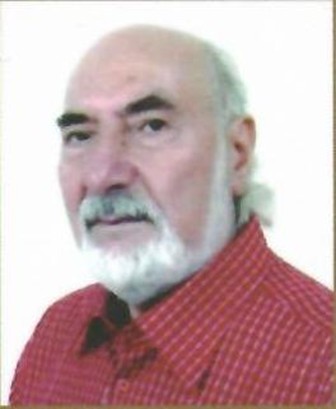
The national and spiritual world of Uzeyir bey Hajibeyov, honoured and proud art historian of the Azerbaijani people, writer and genius composer, and first of all his classical musical creativity, is rooted, in two powerful wings: one of them is the operetta “Arshin mal alan” and the other is the opera “Koroghlu”. Both of them, as stage works, elevated the author to the height of greatness, to an unattainable pinnacle.
Aydin Garabaghli,
writer, investigative journalist
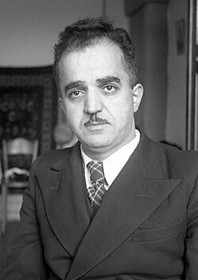
Valuable theoretical works of Uzeyir Hajibeyov are unique and immortal works in the history of development of Azerbaijani musicology. In these works, Uzeyir Hajibeyov, as a highly intellectual scientist, deeply researched the foundations of our musical culture and showed the ways of its development, thus rendering an unrivalled service to both present and future generations. The immortal work of our composer “Fundamentals of Azerbaijani Folk Music” is a great gift to the world musicology, opens brilliant pages in the study of folk music, creates wide opportunities for the development of national in form and socialist in content Azerbaijani musical culture.
Yusif Mammadaliyev,
academician
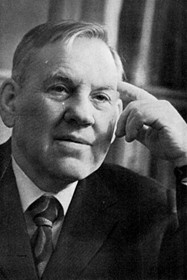
Uzeyir Hajibeyov's works remain true examples of folk art today, combining breadth and depth of content with maturity and sophistication of form. They have become an integral part of our Soviet musical classics.
Hajibeyov's legacy belongs to all peoples of our country. The name of Uzeyir Hajibeyov, the founder of multinational Soviet music, inexhaustible in its richness and diversity of forms, but formed on a unified basis, is mentioned with great respect.
Georgi Keldysh,
Russian musicologist
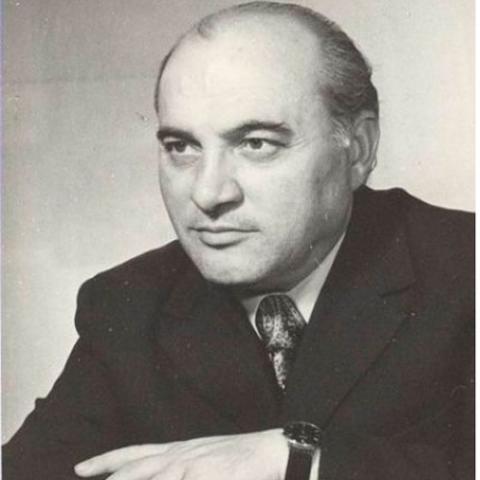
Uzeyir bey previously taught tar lessons with music notation and harmony at a music school, and then at a Conservatory. In Uzeyir bey's class I learnt to play the tar by notes and harmony.
...At that time, Uzeyir bey told us in class about the “very interesting” regular structures of Azerbaijani mughams, and also voiced about his own creative observations on Azerbaijani mughams, giving examples. Gradually these “conversations” were improved and turned into an independent subject on music called “Fundamentals of Azerbaijani Folk Music”, which we all know now.
Azerbaijani composers and musicians feel the unrivalled creativity of our great composer Uzeyir Hajibeyov in their successes in all spheres of our musical culture and keep the bright memory of him in their hearts with great respect and deep love.
Said Rustamov,
composer, conductor, pedagogue
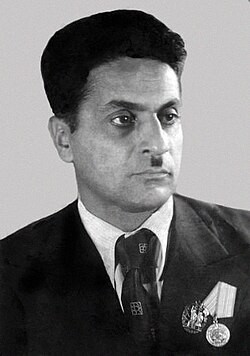
Like the best people of Azerbaijan, Hajibeyov tried to spread new ideas among the people through literature, music and the press. He used the rich folk language and folk art, as well as works of classics of Azerbaijani literature, and with the sharp weapon of feuilleton criticised the shortcomings of folk life, the reigning rotten morality, ignorance, injustice, etc.
When studying the history of Azerbaijani public education, the history of the press, and finally the history of drama, the name of Uzeyir Hajibeyov should be remembered with respect. His extremely important work in these fields cannot be forgotten.
Heydar Huseynov,
academician
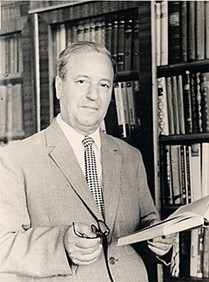
Uzeyir Hajibeyov was an active propagandist of democratic ideas, which especially developed after 1905. Although with different means and weapons, he follows the path of the great realist and democrat Jalil Mammadguluzadeh and Sabir, like them, he lives the fate of the Azerbaijani people, sympathises with its plight, “he contributed his science, knowledge, all his talents and abilities to the progress of his nation”.
While Jalil Mammadguluzadeh and Sabir made Azerbaijani poetry and prose accessible to the people and literature became the property of broad masses of workers, Uzeyir Hajibeyov made music attainable for the people and achieved that it became the possessions of huge groups of workers.
Mammad Arif,
academician
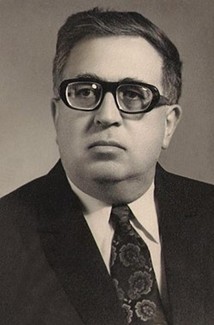
Uzeyir Hajibeyov could turn any, even official, meeting of the Composers’ Union into a friendly discussion, and therefore even the harshest words about mistakes and shortcomings did not hurt anyone, but on the contrary, directed them to new work. I do not know another person as sincere as Uzeyir Hajibeyov, who could truly rejoice at the successes of others and honestly inspire them to conquer new heights. He had a strange talent: he was able to direct the efforts of all composers in the right direction without forgetting anyone.
Soltan Hajibeyov,
composer, People’s Artist of the USSR
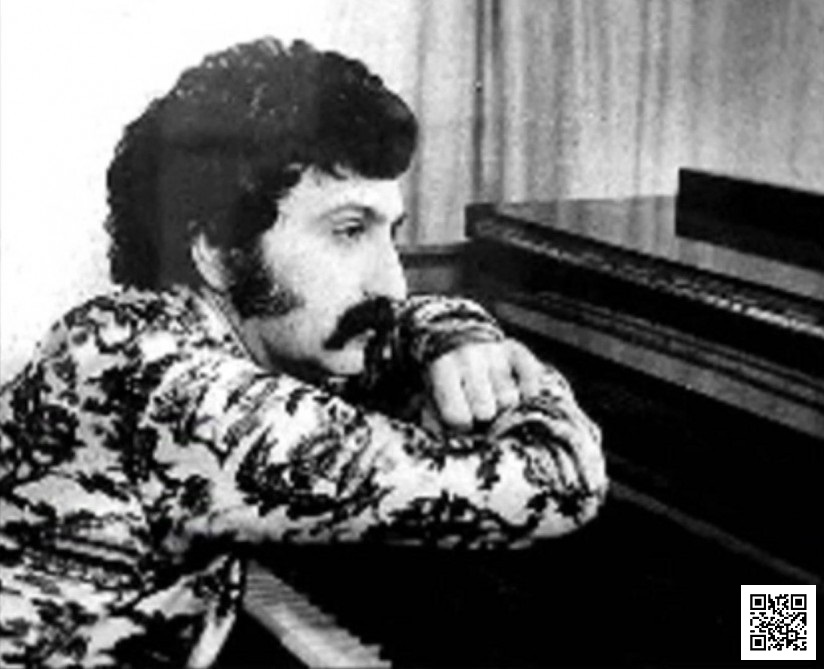
I've admired the great musician all my life. I am amazed by his brilliant melodic gift, his knowledge of folklore and his wonderful sense of harmony. I am always annoyed by people who do not see the rich hidden harmonic reserves in the music of Uzeyir Hajibeyov. Even the simplest melody composed by Hajibeyov holds such rich harmonic material that it could suffice for a whole symphony. The reason lies in the fact that we are used to recognizing Hajibeyov merely as a brilliant melodist, turning a blind eye to his exceptional harmonic skill. I do not categorize Hajibeyov’s works into distinct periods. To me, his entire creative legacy is an inexhaustible source of music. Without this source, Azerbaijani musical art would not be what it is today.
Vagif Mustafazadeh,
composer