

Uzeyir Hajibeyli
Gara Garayev. Unforgettable teacher, great artist
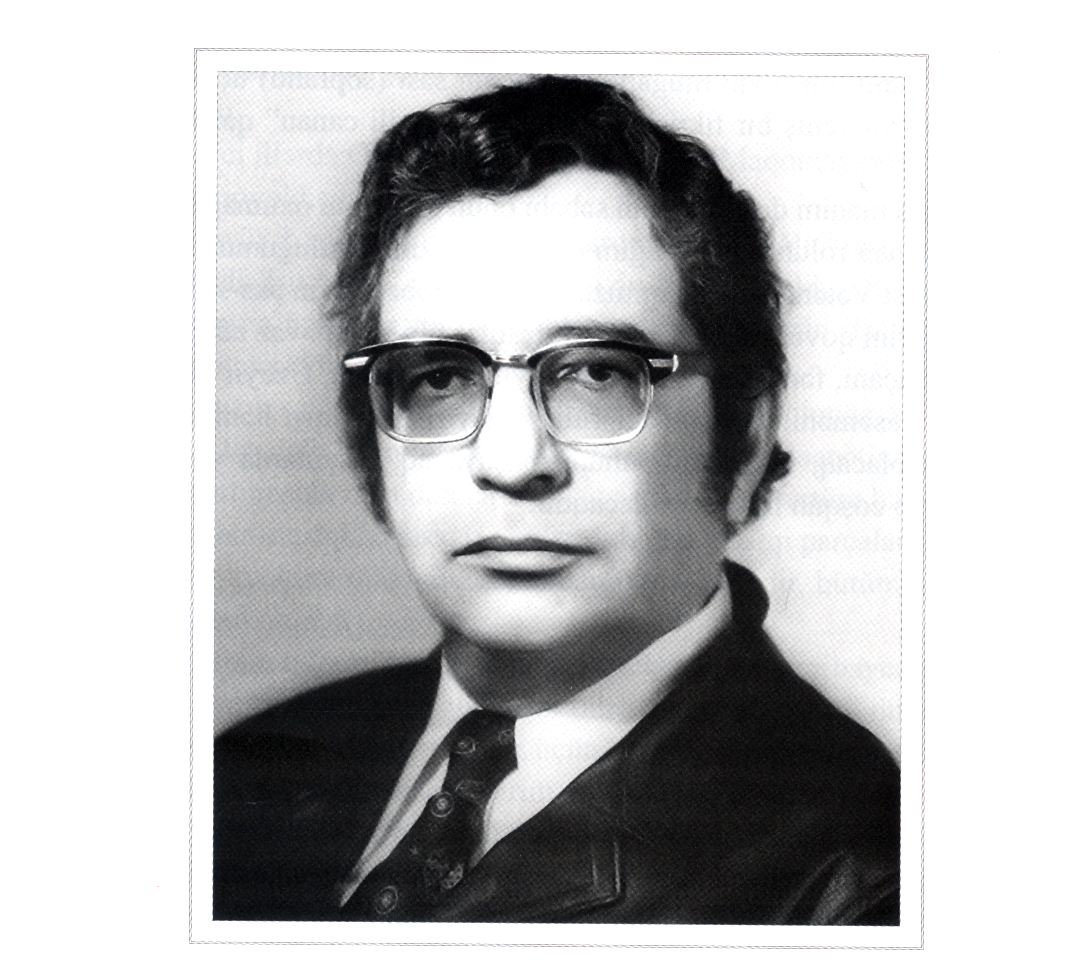
The music of Uzeyir Hajibeyov, the founder of the Azerbaijani school of composition and a renowned Soviet composer, lives in the hearts of our people and enriches their spiritual life. Time is not only powerless to shake the magnificent edifice built by this great talent, but on the contrary, we witness its continued strengthening. The bright colors of his music become even more vivid, and we discover new beauties and subtleties in his creative work.
The development of Azerbaijani opera art is inextricably linked with the name of Uzeyir Hajibeyov, who dedicated his powerful talent to the people. Hajibeyov is the author of “Leyli and Majnun”, the first opera in the entire Near East, as well as “Koroghlu”, one of the finest Soviet operas and a remarkable gem of Azerbaijani culture.
The creative path of our great composer is a brilliant example reflecting the development of a remarkable talent—one that never knew rest, constantly aspired to the heights of musical creation, and tirelessly worked to refine his artistry. Although our musicologists have done considerable work in studying Uzeyir Hajibeyov’s legacy, they have yet to thoroughly and clearly examine the distance between his early works, written nearly 50 years ago, and the compositions from the final period of his life—particularly the opera “Koroghlu”, as well as “Firuza”, a work that captivates everyone with its beauty and serves as a model for penetrating the essence of folk music. This meaningful creative journey must be comprehensively studied.
Uzeyir Hajibeyov’s initial creative steps were met with success and warmly received by the public. The opera “Leyli and Majnun” immediately found its way into people’s hearts and brought fame to the then very young composer. However, these successes did not captivate or satisfy the author. Like all true creators, he sought new and more perfect artistic means, strove to find new paths to develop his talent, and set increasingly difficult and complex creative tasks for himself. He studied the operatic examples of Russian and Western European music with great attention and endured all kinds of arduous labor in this pursuit.
It is impossible to forget that Uzeyir Hajibeyov, the author of the world-famous musical comedy “Arshin Mal Alan”, continued his education despite the difficulties of student life, refined his artistry, and strived to achieve purity and clarity in musical language. Never complacent in his creativity, constantly seeking new ways for the development of national art, and always exceedingly demanding of his own talent, Uzeyir Hajibeyov should serve as an unforgettable example for our composers.
Until the last days of his life, Uzeyir Hajibeyov remained close to the people and never looked down on the masters of folk music whom he regarded as friends in his creative work. Pursuing the goal of enriching his musical language and discovering new artistic means of expression, the composer constantly drew from the life-giving source of folk art. At the same time, he never simply replicated folk melodies and mughams in his works but sought to create his own original creative style to express the essence of folk music. When using folk music, he aimed to return it to the people in a new, enriched form. To use a comparative metaphor, he worked through tons of musical iron ore to extract grams of gold representing the genius of folk music.
Hajibeyov’s great creative heroism found its most perfect expression in his immortal opera “Koroghlu”. Among the countless beauties of this opera, today we especially emphasize its musical realism and credibility, distinguished by wise clarity and simplicity, delicacy and purity, free from any artificial embellishments or superficial decorative adornments, as well as the spirit of the people combined with brilliant artistry.
On the eve of the ten-day festival of Azerbaijani art and literature to be held in Moscow, the memory of the first such festival held in 1938 inevitably comes to mind. Uzeyir Hajibeyov’s music, as well as the care and responsibility he demonstrated during the preparation process for this festival, were, in fact, the very soul and heart of the event. During those days, Uzeyir Hajibeyov approached every minor task with great care, dedicating time to guiding young actors, musicians, singers, and composers. Although his own music occupied a significant place in the festival program, he always showed great humility, noting that the festival was a celebration of the Azerbaijani people and that his works were but a small part of the great cultural achievements the Azerbaijani people had attained thanks to the care of the Communist Party and the Soviet government.
The image of the eminent master of music, the wonderful person, and the caring teacher and friend lives in our memory precisely as such—a wise and humble, great and modest figure.